Inverter
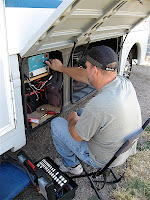 Another "exciting" thing that happened to us in Moab, is our inverter blew. The inverter is what takes the 12 volt DC power from the batteries and makes it into 110 AC power that we can use for charging laptops, phones, running small appliances like the toaster, Bamix mixer, and coffee grinder, watching TV and DVDs, etc, and it does all this when we are NOT plugged in, like out at the north rim, for example. It is also a battery charger, and will charge our batteries when we ARE plugged in, if we aren't getting enough charge from the solar panels (which would only be on occasion, if our site is very shady, or if the weather is very dark and cloudy).
When our inverter, which came with the RV and was probably 8 years old, went out, it took our ability to use "shore power" with it. Shore power is what RVers call plugging in to the 30 or 50 amp power in RV parks (we use 30 amp, but the big monster diesel RVs generally use 50 amp). 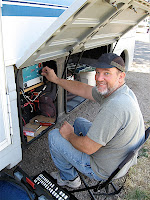 Devin checked with forum members on RV.net, a source of infinite wisdom, advice, humor, and great stories, and decided it would be okay to bypass our dead inverter and wire the incoming AC wires directly to the outgoing AC wires that normally go through the inverter. When he did this, we could use shore power again, and, hallelujah, turn our air conditioner back on! Fortunately, through all this, we still had 12 volt because of our solar panels, which is all our lights and ceiling fans - which can keep the RV reasonably comfortable - but 95 degree heat and full sun is hard to fight without air conditioning. And for air conditioning, we needed shore power.
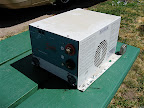 So now we at least had 110 and could keep cool, watch Cable TV and movies, use the microwave, air conditioner, charge our laptops, use appliances, etc. But we still had a fried inverter. When it went, there was a thud, and a smell, and when I opened the compartment, smoke came out! No fire, thank goodness, but that unmistakable smell of burnt electrical equipment lingered in the compartment. Devin researched online, and we found a great deal on a new, true sine wave inverter. Our old one was 2500 watts, which is much bigger than we should have needed, and the new one came in 2000 or 3000 watts.
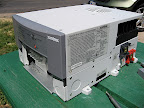 After much research and discussion, we decided on the Xantrex RS-2000 watt inverter/charger model. True sine wave means it is safe for use with fancy electronics - our old one was modified sine wave, and killed the battery charger on Devin's DeWalt cordless drill. (My Makita seemed to do fine with it, though). My laptop is also having power issues, and I think using the modified sine wave inverter probably killed its battery as well. (Or more likely it was leaving it plugged in all the time.) Now I can't use it unless it is plugged in. Anyway...
We found the best deal and ordered the new inverter from DonRowe.com and it got there in two days, with free shipping (thank goodness, since the package weighed over 80 pounds!)
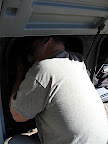 Devin decided to install it himself (a sure sign he is all better), and I helped. We ran RJ11 ("ethernet") cable up through the floor and behind the fridge to wire in the new monitor, figured out how to fit the new, larger inverter in the old one's spot, and got it all hooked up. We spent one afternoon installing it, and upon the moment of truth, discovered that it worked - sort of! We hadn't realized that the huge slow burn fuse ("Class T") had gone out with the old inverter.
 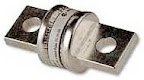 These types of fuses are used primarily with solar power systems and inverters, and also with car audio for those "hiking boot in a dryer" sound systems we all know and hate. So we again had shore power, but couldn't invert or charge. It was a great learning experience, actually, and now we both know much more and understand more about how our RV's electrical systems work.
 The next day, Devin decided that we should have taken out the old charger that was just taking up space in the back of the cabinet where we installed the new inverter. Since our inverter is also a charger, and the old charger was unplugged anyway, we didn't need it, and had never used it. We guess the previous owners used it as a back up, if the inverter went out, they could still charge their batteries. We don't need it for that since we installed solar panels and our batteries get charged from the sun (yay!). And besides, in doing research on the rv.net forum on whether or not it should go, the most common suggestion of what to do with the old converter was "trash it!"
 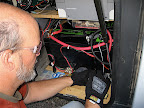 So we spent another afternoon unhooking and taking the new inverter back out (remember it weighs about 70 pounds!), unhooking and taking out the charger, and hooking up and re-installing the inverter - this time much farther into the compartment, making it easier to reach the fuses that are on the side of the same shelf.
 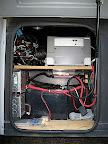 It was, all in all, in spite of the fuse problem, a satisfying job well done!
More on the inverter later, when we got the fuse shipped to us in Ouray, Colorado! To be continued...

 Leadville was, of course, a mining town, as was Coaldale (guess what they mined there?) Today, there is still mining - a huge Molybdenum mine is near the summit of one of the passes. They seem to be taking the mountain down - it appears quite destructive compared to other mining operations in the area. And there are large toxic looking lakes as well as tailings.





 - an exhaust system that not only increases power, but gives our model of RV 7% better gas mileage!
 which has digital gauges letting you know fuel economy - allows you to figure out optimum driving speed/rpm for best mpg
 lets us know what our tire pressures are at all times (keeping tires properly inflated can make a big difference in fuel economy)
 (for filling tires using our batteries and keeping them at optimum pressure)